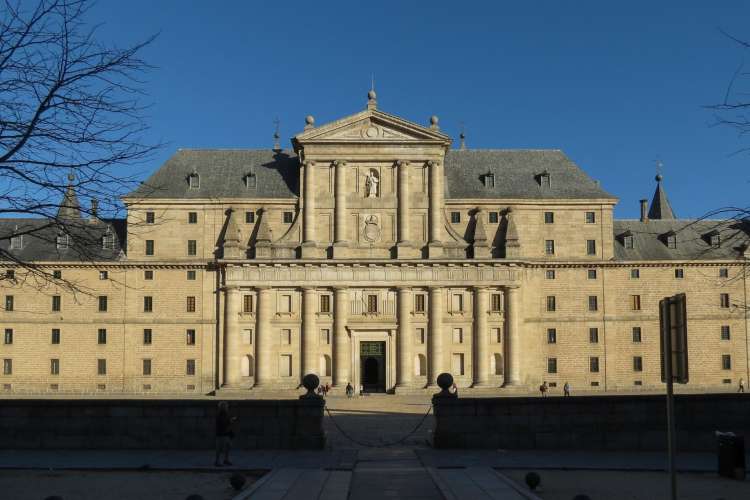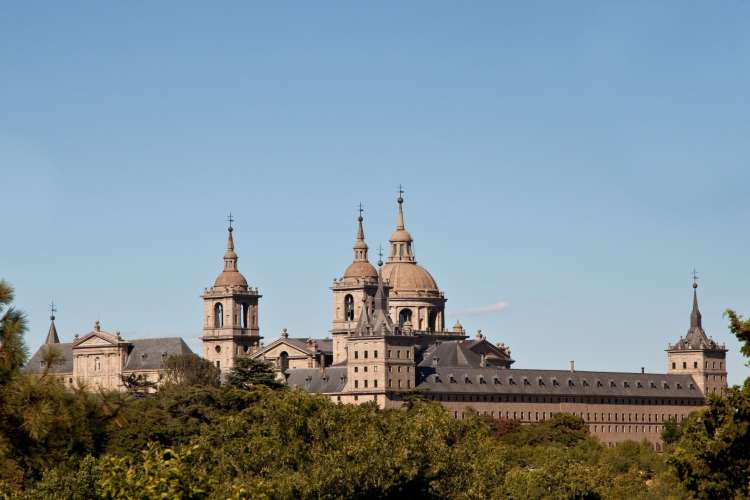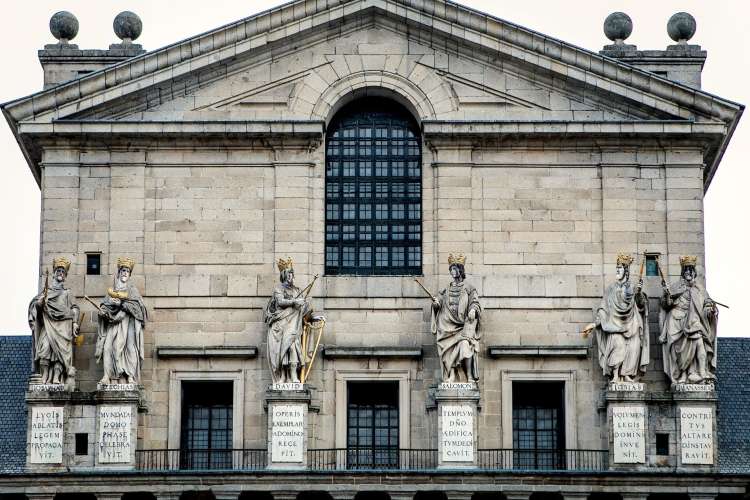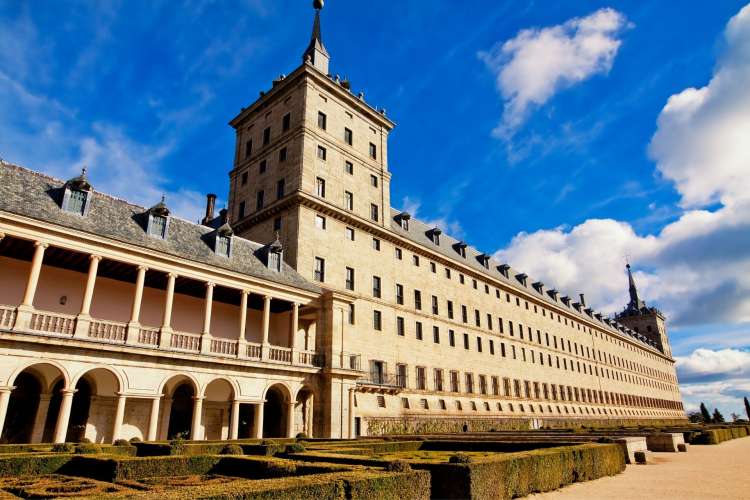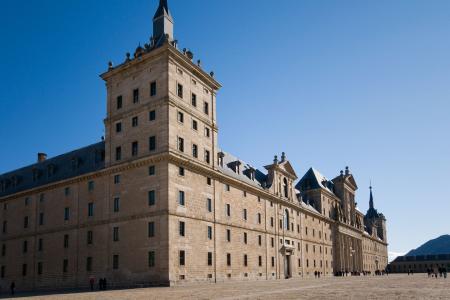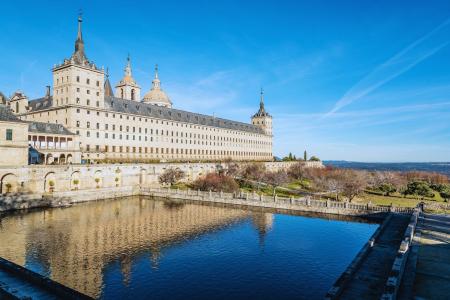


Legend has it that this monument, declared a World Heritage Site, was built at the foot of the Sierra de Guadarrama because this place was considered a gateway to the abode of the devil. Thus, the sacred place was intended precisely to block the entrance to the underworld? Or was there, perhaps, a more complex hidden interest?
This and other mysteries (such as the black dog that tormented the rest of Philip II) will be revealed in our Free Tour of San Lorenzo del Escorial, which will start at the Plaza de la Constitución and will have a circular route through the darker side of the town.
• Guide
• 1 hour & 30 min.
Book as soon as possible to guarantee availability, especially on long weekends and holidays.
We will send you an email with a voucher that you can print or take with you to the activity.
How to make a reservation?
To book the tour you just have to choose the desired date and fill out the form on this page. Confirmation is immediate.
Yes (if suitable for persons with reduced mobility)
• Tour subject to availability
• A minimum of 4 people is required to guarantee the departure.
• Distinctive: Blue umbrella
Explore similar experiences by clicking on the following link Free Tour Capricho Park

Madrid
Madrid
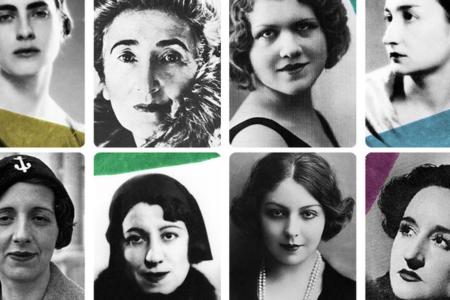
They were also part of history, but history with small letters was written by them. Politicians, painters, writers, intellectuals, but also leaders of the labor movement and militias... Meet some of the most interesting women in the history of Spain and the reason why many of them were hardly recognized in a country that they managed to transform but never claimed them.

Madrid
Madrid
The Spanish Inquisition is one of the most controversial institutions in history and a symbol of terror and death for millions of people in Spain and Latin America. But what was really behind the myth? Discover the dark secrets of the Tribunal of the Holy Inquisition on this walking tour of Madrid.

Madrid
Madrid
A small village nestled in the Sierra de Guadarrama was chosen in the mid-sixteenth century to house the Monastery of El Escorial, the greatest architectural legacy of Philip II. However, this building is only the best known attraction of what is possibly one of the most beautiful and interesting towns in Madrid: San Lorenzo de El Escorial, the dream paved with stories on which the powerful monarch erected his great refuge.

Madrid
Madrid
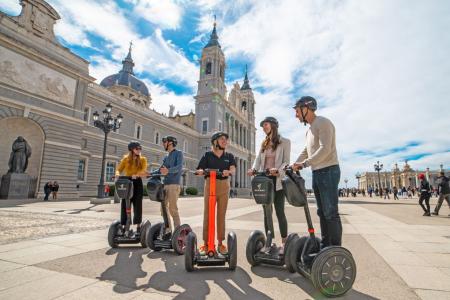
Explore Madrid on a bicycle and discover a totally different city. Choose one of the two itineraries offered and visit some of the most emblematic places in the city.

Madrid
Madrid
Step inside one of the most memorable palaces in Europe: The Royal Palace of Madrid! Visit this iconic place, with more than 7 centuries of history, dedicated to state ceremonies and solemn acts.

Madrid
Madrid
Head to Toledo from Madrid with an accredited guide and discover one of the most majestic cities in Spain, remember to bring your camera or smartphone!

Madrid
Madrid
What makes Capricho Park unique? Built between the eighteenth and nineteenth century, this park was the canvas on which the wealthy Duchess of Osuna painted every whim she could think of, giving the city one of the most beautiful places you can visit.

Madrid
Madrid
Walk through more than 100 years of history of one of the most important clubs in the world. Explore the stadium with a local guide and discover the essence of the club as you have never seen it before. Take a guided tour of the Real Madrid Museum, where you can learn all about the club's history.

Madrid
Madrid
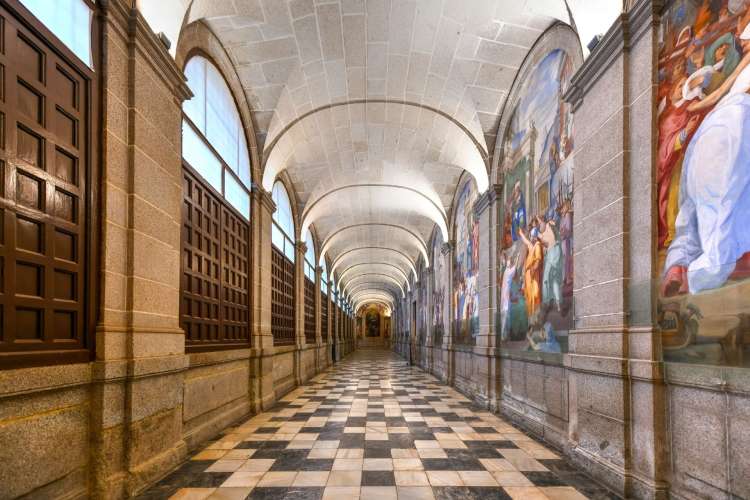
The Monastery of San Lorenzo de El Escorial, erected in the 16th century, was considered the Eighth Wonder of the World, both for its size and functional complexity and for its enormous symbolic value.

Madrid
Madrid
As early as the 12th century, the monks of Cluny were growing grapes on the banks of the Duero River to produce wine. The Ribera del Duero is in the heart of Castilla-León, the old land of castles. The subsoil of almost all the villages is practically hollow, with caves dug to store the wine, as they guarantee perfect conditions of humidity and temperature. Although many cellars have fallen into disuse, some have been recovered for visits or for wine production. Visiting an old wine cellar that has been in operation for centuries and drinking a glass of wine there is an unforgettable experience.